Astro.js has gained significant attention in the world of static site generation (SSG), thanks to its innovative “Component Islands” architecture. This unique approach makes Astro a standout choice for SSG, as it provides better performance, reduces unnecessary client-side rendering, and enhances the user experience by loading content faster compared to other frameworks.
Before we dive into Astro’s island architecture, let’s get familiar with what Astro.js is all about. Astro is an all-in-one web framework that is suitable for developing high performance content-driven websites such as blogs, documentation sites, marketing sites and portfolios.
Astro emphasizes a “Content First” and “Server-First” approach, focusing on server-side rendering for enhanced efficiency and speed. Client-side rendering is only used when absolutely necessary, which leads to websites that load much faster and require less JavaScript compared to those built with other popular frameworks. This combination results in better performance, making Astro an ideal choice for building fast, streamlined web experiences.
What are Islands?
“ The term “component island” was first coined by Etsy’s frontend architect Katie Sylor-Miller in 2019. This idea was then expanded on and documented in this post by Preact creator Jason Miller on August 11, 2020.”
The general idea of an “Islands” architecture is deceptively simple: render HTML pages on the server, and inject placeholders or slots around highly dynamic regions […] that can then be “hydrated” on the client into small self-contained widgets, reusing their server-rendered initial HTML.
— Jason Miller, Creator of Preact
Astro Islands is an innovative frontend architecture and a revolutionary approach to building static sites. Instead of rendering an entire page on the client side (like most JavaScript-heavy frameworks), Astro allows only specific parts, or islands, of a page to be interactive.
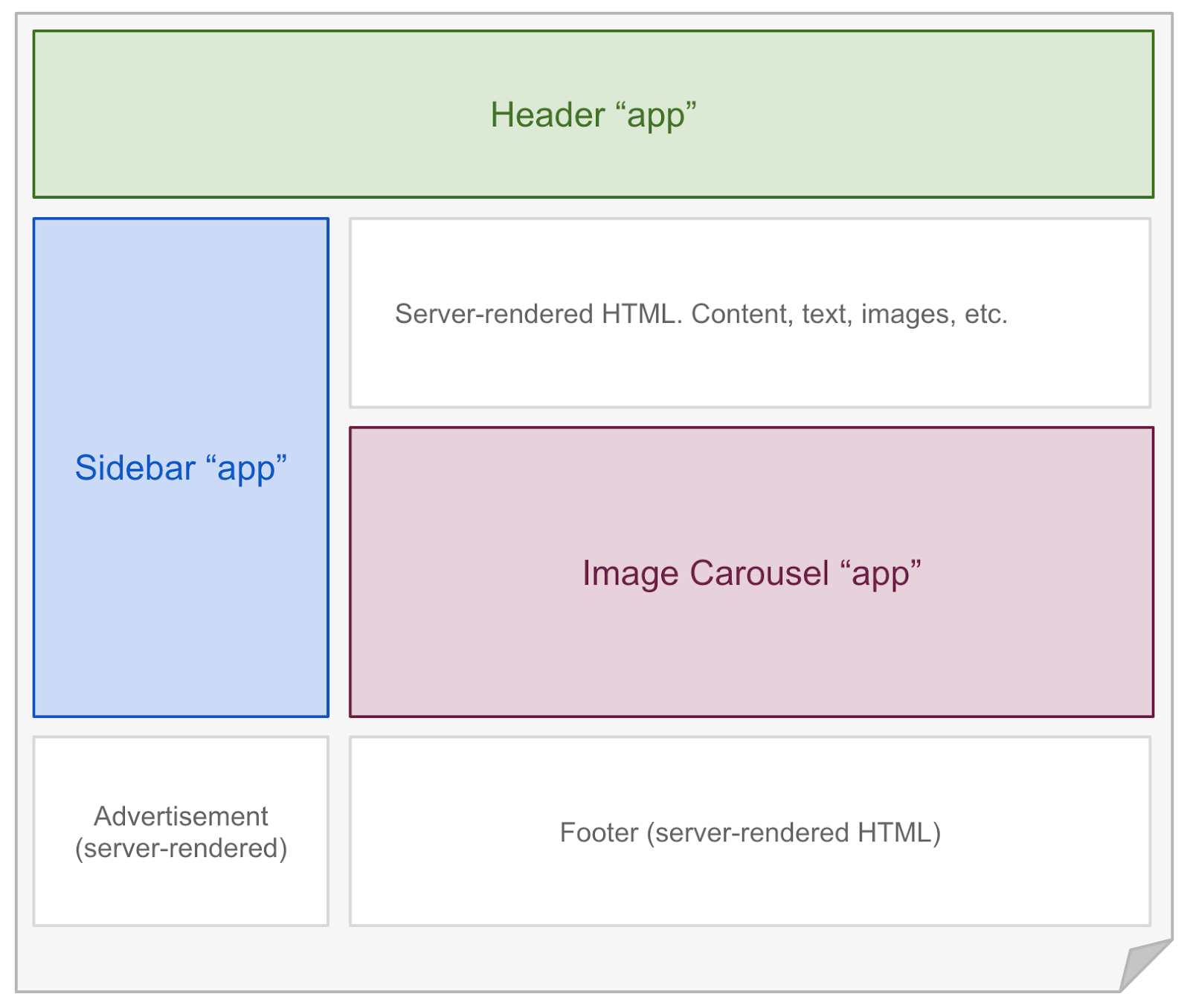
Source : https://jasonformat.com/islands-architecture/
These islands represent individual UI components, such as buttons, forms, or dropdowns. The rest of the page is rendered as static HTML, which dramatically reduces the amount of JavaScript needed on the client side. An island always runs in isolation from other islands on the page, and multiple islands can exist on a page(as shown in the picture above). Islands can still share state and communicate with each other, even though they run in different component contexts.
How Islands work in Astro ?
Any static UI component can be converted into an interactive island requires only a client:* directive. Astro then automatically builds and bundles the client-side JavaScript for optimized performance. You can use your favorite frameworks like React, Vue, Svelte, or Solid.js to build those interactive components, as astro has the ability to render frameworks as islands inside an otherwise static page.
By default, a UI Framework component is not hydrated in the client. If no client:* directive is provided, its HTML is rendered onto the page without JavaScript.
Overall, Astro Islands provide a powerful and efficient way to build high-performance, scalable, and maintainable web applications. If you’re building a site that leans heavily on static content but still requires some interactivity, Astro.js and its Component Islands might be the perfect match for you.